In wastewater treatment projects, MBR (Membrane Bioreactor) technology is gradually replacing traditional sedimentation processes and is becoming the preferred upgrade path for both municipal and industrial projects. Today, we are going to address 6 key questions to explain the logic, steps, and practical experience of upgrading from conventional sedimentation systems to MBR, and illustrate practical operations through Sperta‘s project cases.
Why Upgrade from Sedimentation to an MBR System?
Traditional sedimentation has several limitations today:
Limited treatment efficiency: Sedimentation tanks rely on gravity. They cannot remove all colloids, fine suspended solids, or some microorganisms.
Regulatory and water-quality requirements: Stricter discharge limits and water reuse requirements make it hard for conventional systems to comply consistently.
Operational challenges: Sludge separation is sensitive to weather and influent changes. The operation is complex, and the maintenance costs are high.
MBR upgrades can deliver higher effluent quality, a smaller footprint, and lower operational risks.
Typical gravity-based sedimentation tank in a conventional wastewater treatment process.
Technical Challenges and System Requirements Before an MBR Upgrade
1. Check operational stability
Evaluate sludge age, MLSS, and influent fluctuations. Ensure stable feed to avoid rapid TMP rise and fouling.
Review sludge return and disposal. Keep biochemical loading balanced.
2. Assess biochemical conditions
MBR systems require stable DO levels, adequate aeration, and uniform mixing. Confirm that existing aeration can meet membrane scouring and aerobic degradation needs.
Identify dead zones in the bioreactor and optimize flow distribution.
3. Adjust piping and hydraulics
Check pipe velocity, pump capacity, and flow fluctuations. These affect membrane fouling and aeration.
Consider local pipe upgrades or buffer tanks to prevent hydraulic shock.
Is an MBR system the right fit for your existing process?
4. Match membranes and tanks
Tank dimensions may not fit membrane modules. Design support frames and drainage channels.
Maintain module spacing and aeration uniformity to ensure cleaning efficiency.
5. Design cleaning and maintenance
Plan chemical backwash, offline cleaning, and pump control.
Balance cleaning frequency with membrane life and safety.
6. Integrate monitoring and control
Monitor TMP, flux, DO, and MLSS in real time. Connect with control systems.
Upgrade automation to support data collection, alarms, and cleaning cycles.
Overall, these challenges involve hardware, process matching, operational control, membrane protection, and maintenance planning. They are key to stable and efficient MBR operation.
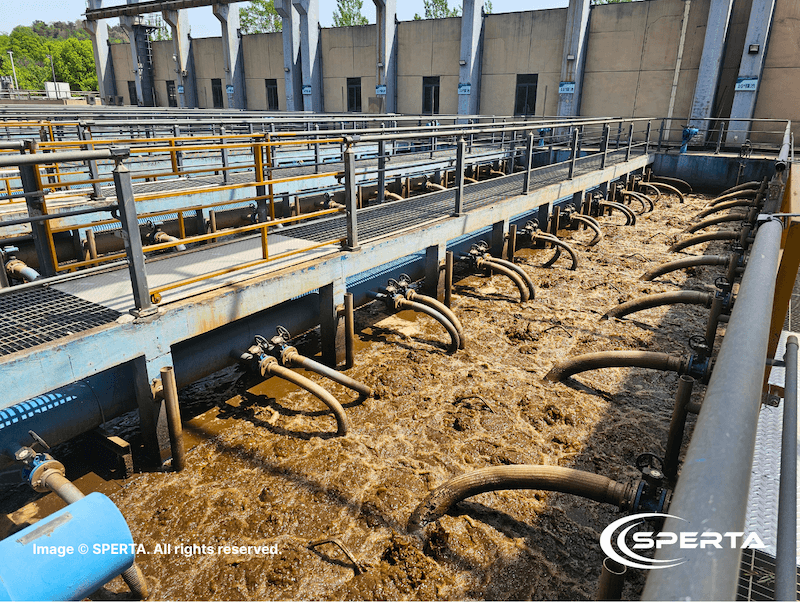
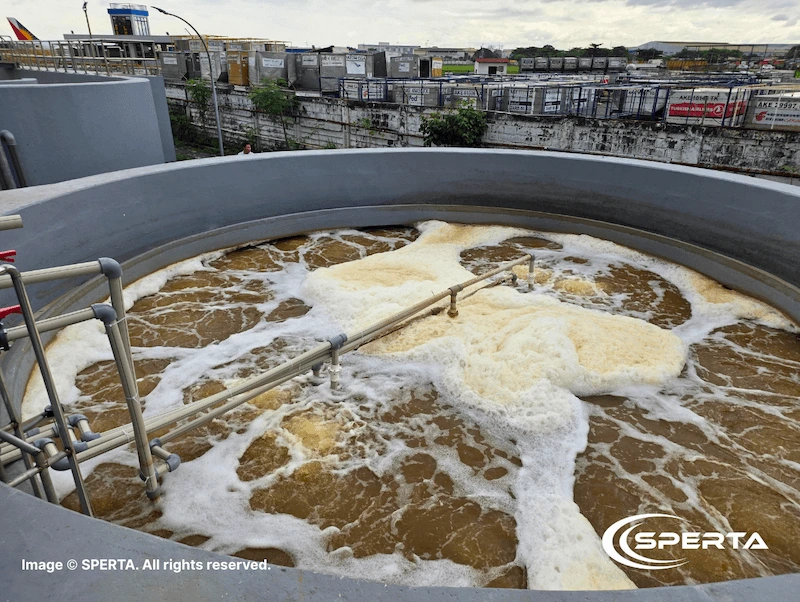
MBR system operating at elevated MLSS levels.
What Steps Does an MBR Upgrade Involve?
Step
Key Operations
Key Considerations
1. Site Survey & Assessment
Measure tank dimensions, sludge concentration, HRT, aeration efficiency
Clarify effluent targets, upgrade requirements, and reuse goals
Install membrane frame in existing tank or build a modular membrane tank
3. Segmented Construction
Divert part of flow to the membrane tank
Ensure independent operation of the membrane tank
4. Membrane Installation & Commissioning
Install membranes, piping, cleaning system
Run idle and low-load tests, monitor TMP, SS, DO
5. Gradual Influent Switching & Optimization
Gradually transfer flow to membrane tank
Adjust backwash, aeration, and MLSS
6. Full System Start-Up
Switch entire plant to MBR operation
Confirm effluent quality and set long-term maintenance plan
Risk Warning: Membranes are sensitive to large, hard particles. Inspect or upgrade screening systems (fine screens 2-3 mm)
Existing sedimentation tank and hydraulic structures before MBR upgrade.
How Does Effluent Quality Change After the Upgrade?
Parameter
Conventional Sedimentation Process
After MBR Upgrade
Key Advantages
Suspended Solids & Turbidity
Gravity settling only; fine particles remain; 5–15 NTU
Membranes retain fine particles; <1 NTU
Clear effluent, easier disinfection
Microorganisms & Pathogens
Limited bacteria removal; poor virus control
Retains bacteria, protozoa, some viruses
Much safer effluent quality
COD/BOD Stability
Strongly affected by influent fluctuation
High MLSS & long SRT ensure stable removal
Consistent compliance
Nitrogen & Phosphorus
Unstable TN/TP removal
Flexible aerobic–anoxic–anaerobic control
Precise nutrient control
Effluent Reuse Potential
Requires further treatment
Suitable for direct reuse or polishing
Lower downstream cost
Note: Compared with conventional sedimentation, MBR systems decouple hydraulic retention time (HRT) from sludge retention time (SRT), resulting in higher effluent stability and improved reuse potential.
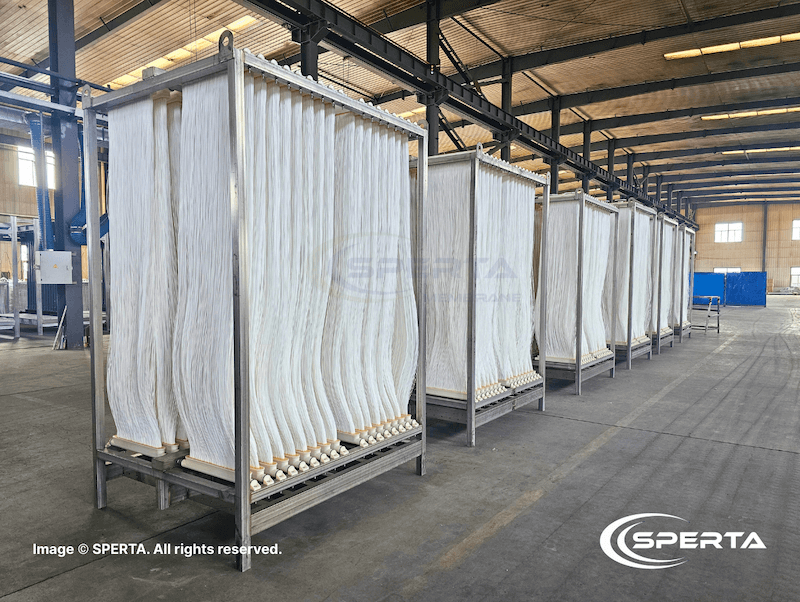
Customized MBR membrane modules tailored to project-specific operating conditions.
SPERTA Case: Sedimentation-to-MBR Upgrade in Practice
In April 2025, SPERTA completed a representative sedimentation-to-MBR upgrade project at Ninoy Aquino International Airport (NAIA) Terminal 1 & 2 in Manila, Philippines. The existing wastewater treatment system was a conventional biological treatment followed by sedimentation. With continuous increases in passenger traffic and operational demand, the original process could no longer support the required expansion or consistently deliver stable effluent quality.
The upgraded system was required to treat a total flow of 2,800 m³/day. However, the existing sedimentation tanks were already operating at their practical limits, and further capacity increase through traditional expansion was not feasible. In addition, fluctuations in suspended solids and nutrient removal performance made regulatory compliance and reuse planning increasingly challenging.
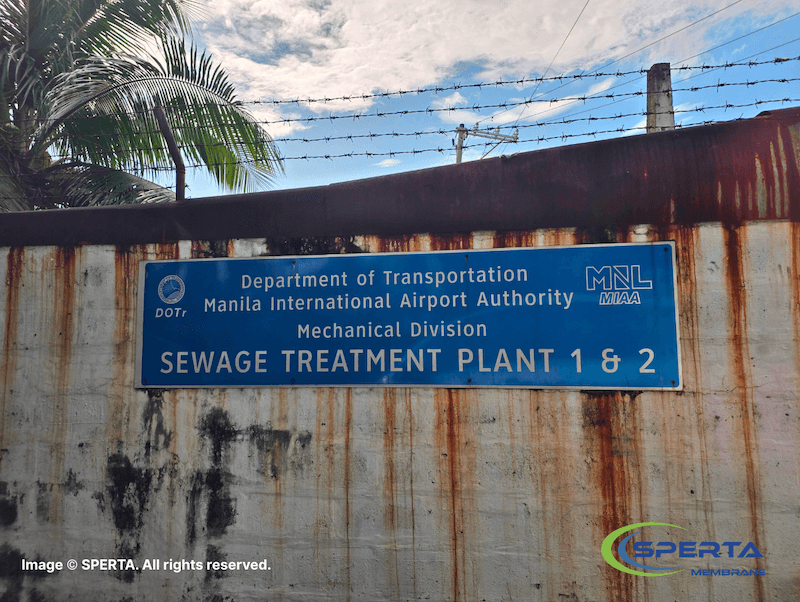
Manila International Airport sewage treatment plant (Terminal 1 & 2).
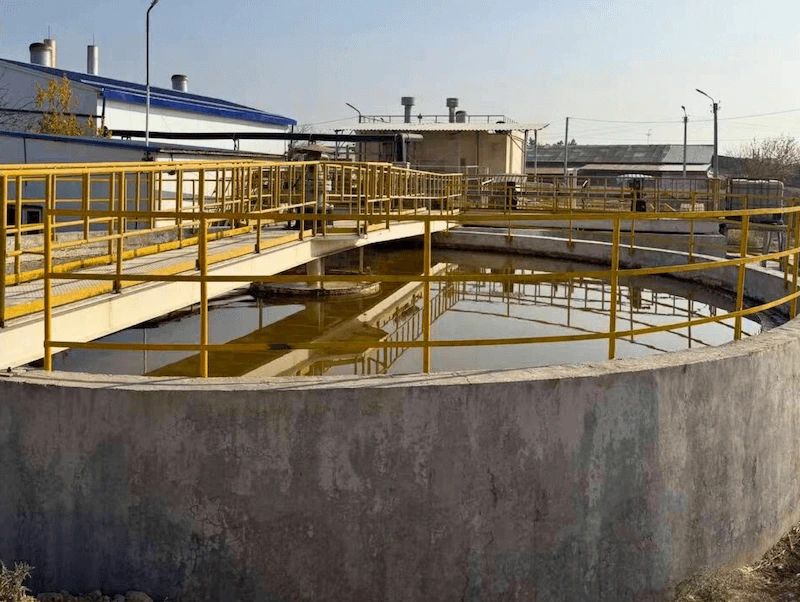
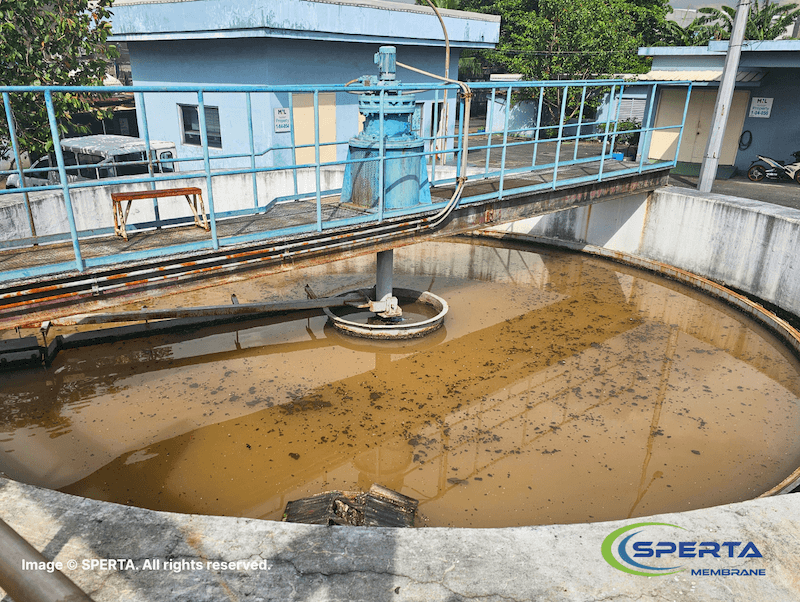
One of the existing sedimentation tanks before the MBR upgrade.
After a comprehensive on-site assessment, SPERTA adopted a site-adaptive retrofit strategy, converting the existing sedimentation basins directly into MBR membrane tanks. This approach maximized the use of available infrastructure while minimizing civil modification. At the same time, we optimized the upstream biological process and adjusted internal recycling ratios to enhance total nitrogen (TN) and total phosphorus (TP) removal, thereby improving overall nutrient control.
Following the upgrade, the effluent quality improved significantly and became consistently reliable, meeting the requirements for water reuse applications. Compared with the original sedimentation-based process, both hydraulic capacity and effluent stability were substantially enhanced, demonstrating the effectiveness of MBR technology for upgrading space-constrained facilities such as airports.
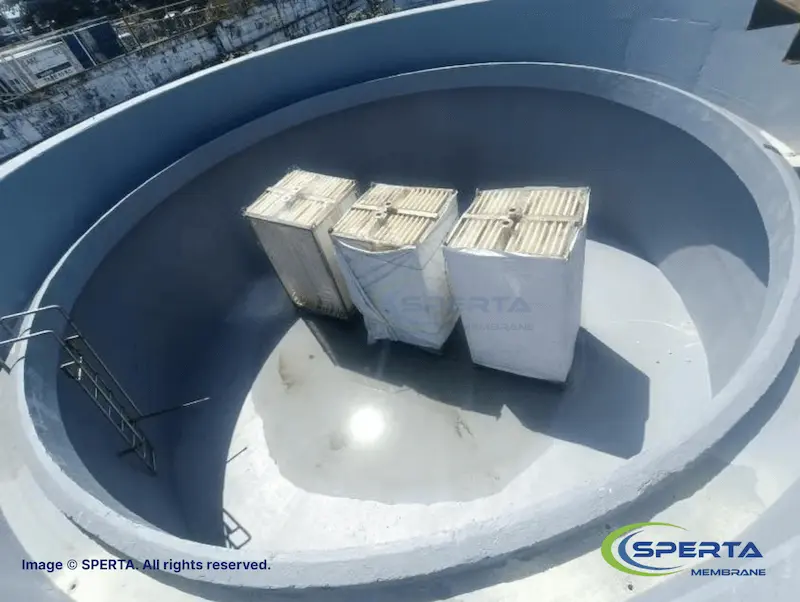
SPERTA MBR modules were settled during the commissioning phase.
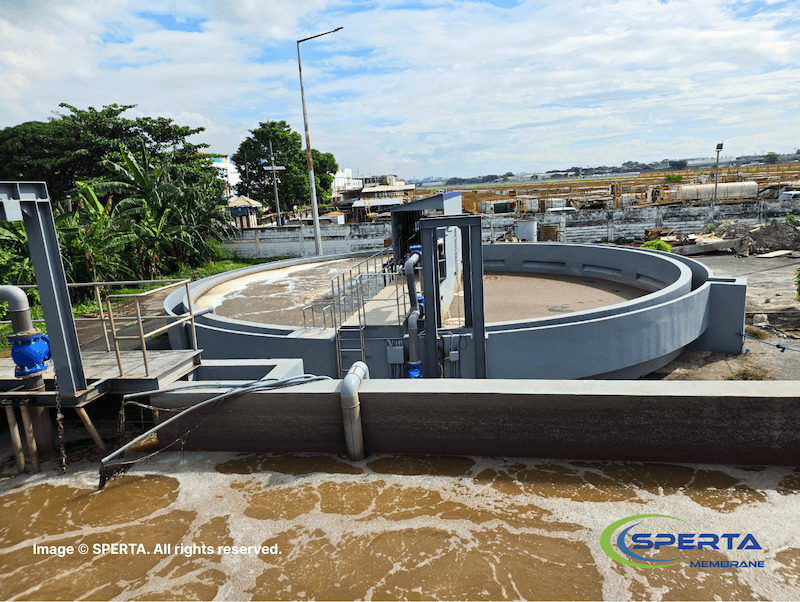
SPERTA MBR system operating in a converted sedimentation tank.
Conclusion
Upgrading a conventional sedimentation process to MBR technology offers a practical solution for facilities facing capacity limits, unstable effluent quality, or stricter discharge and reuse requirements. By integrating membrane separation with optimized biological treatment, MBR systems deliver higher treatment capacity, more stable performance, and improved reuse potential within the same footprint.
For projects considering plant expansion or performance upgrades, a site-adaptive sedimentation-to-MBR retrofit can be a cost-effective and future-ready option. If you are planning a similar upgrade or evaluating the feasibility of an MBR system for your facility, SPERTA’s engineering team is ready to support your assessment and system design.
Post Views:94
Kevin Chen
Hi, I'm the author of this post and have been in this field for over 12 years. If you have questions about the MBR membrane products or want to purchase the MBR membrane, please feel free to email me. kevin@spertasystems.com