Organic vs Inorganic MBR Membranes: Which Material Is Right for Your Project?
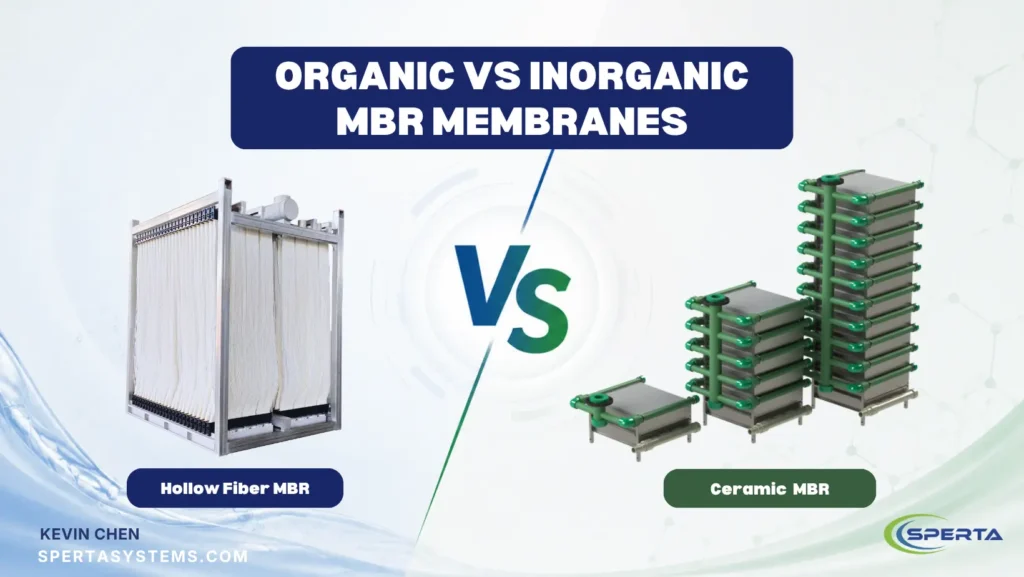
If you’ve ever compared MBR membranes, you’ve probably asked the same question I hear from customers all the time: Should I choose an organic membrane or a ceramic one? At first glance, the answer seems obvious. Ceramic membranes are stronger, more resistant to chemicals, and can tolerate harsher operating conditions. But if that’s true, why […]
SPERTA at INDO WATER 2026: Showcasing MBR Membrane Solutions
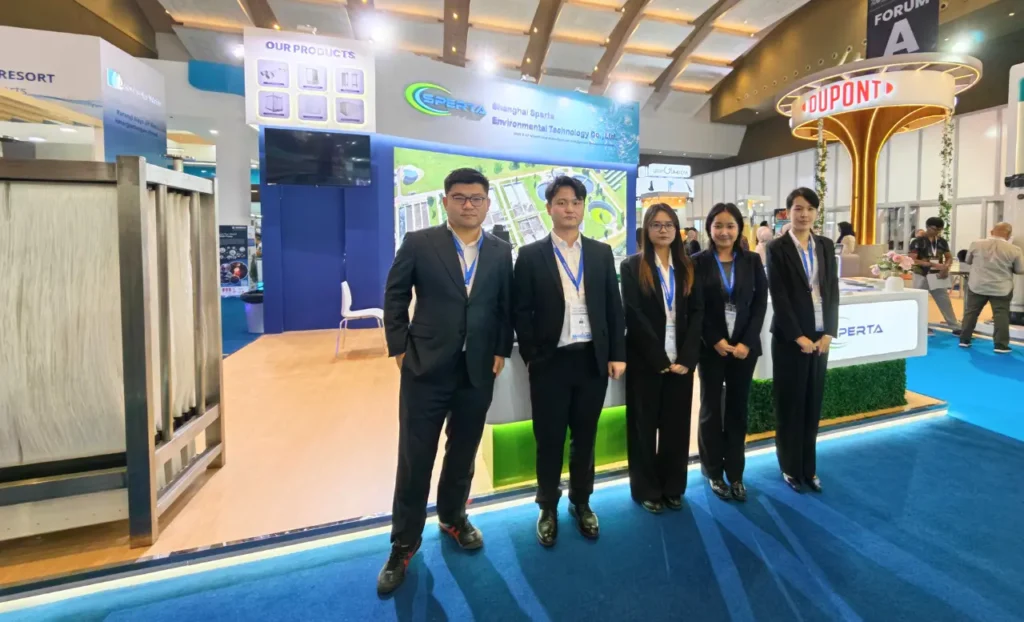
From August 11 to 13, 2026, SPERTA participated in INDO WATER 2026 at Jakarta International Expo (JIExpo Kemayoran), Indonesia, marking our 4th appearance at the exhibition. As a manufacturer of MBR membranes and wastewater treatment equipment, SPERTA showcased its MBR membrane modules and wastewater treatment demonstration system at Hall B3, Booth B382. Through physical product […]
INGE Dizzer® XL 0.9 MB 60 W Specifications & Applications
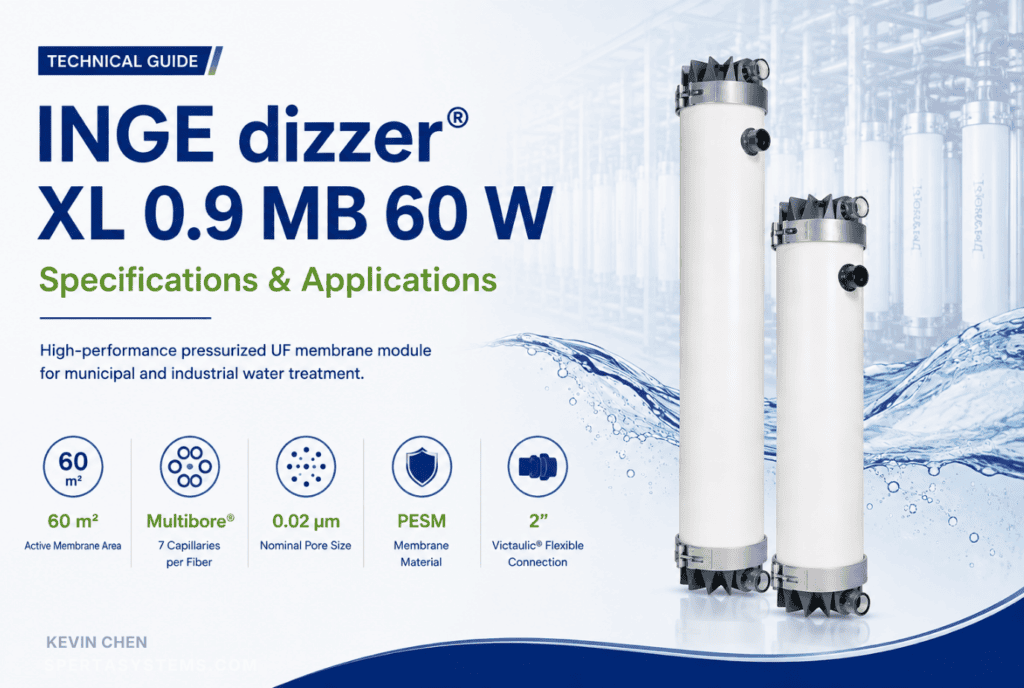
The INGE dizzer® XL 0.9 MB 60 W is a widely recognized pressurized UF module used in large-scale water treatment systems. Engineers searching for this model typically need its membrane area, module dimensions, fiber structure, operating limits, and chemical compatibility. This guide organizes the available technical information into a clear engineering reference and also introduces […]
CEB vs CIP: Choosing the Right Cleaning Strategy for MBR Systems
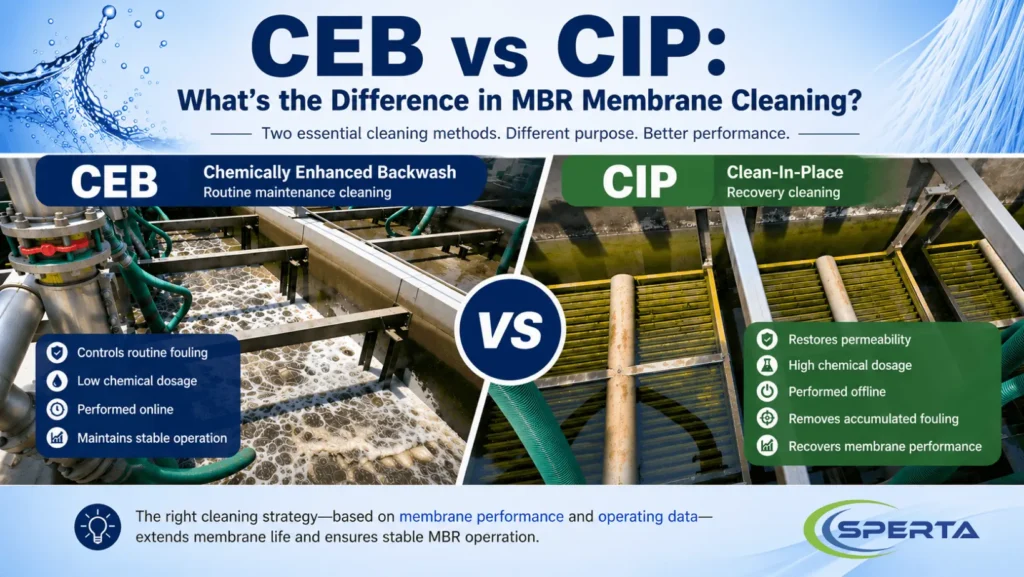
If you’ve operated an MBR system for a while, you’ve probably seen this happen: TMP keeps rising, membrane flux gradually drops, and sooner or later someone asks the same question: “Should we perform a CEB now, or is it time for a CIP?” I’ve been asked this question countless times by plant operators, EPC contractors, […]
High-Tensile vs Standard Hollow Fiber Membranes
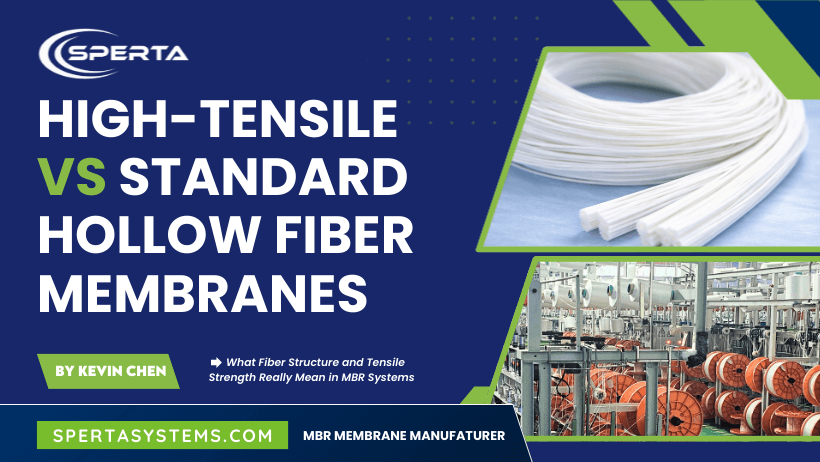
In MBR systems, hollow fiber membranes operate under continuous mechanical stress caused by sludge loading, aeration-induced shear, and long-term cyclic fatigue. Many membrane specifications highlight tensile strength as a key performance indicator, but engineers often oversimplify or misunderstand its real meaning. A higher-tensile-strength fiber does not automatically lead to better filtration performance or a longer […]
How to Calculate the Required Membrane Area in MBR Design?

In MBR (membrane bioreactor) system design, membrane area is a key parameter that determines system stability, water production capacity, and membrane lifespan. Properly sizing the membrane area requires starting from the treatment flow and considering membrane type, effective filtration area, and operating conditions. Today, let’s take a deep look into the design objectives, key parameters, […]