Last Updated on October 26, 2025 by Kevin Chen
In wastewater treatment, it’s important to understand the difference between organic and inorganic wastewater. They differ greatly in composition, biodegradability, and treatment approach.
Among various technologies, MBR (Membrane Bioreactor) systems—especially those using SPERTA membranes — perform exceptionally well in treating organic wastewater, providing efficient organics removal and clear, stable effluent.
What is Organic Wastewater?
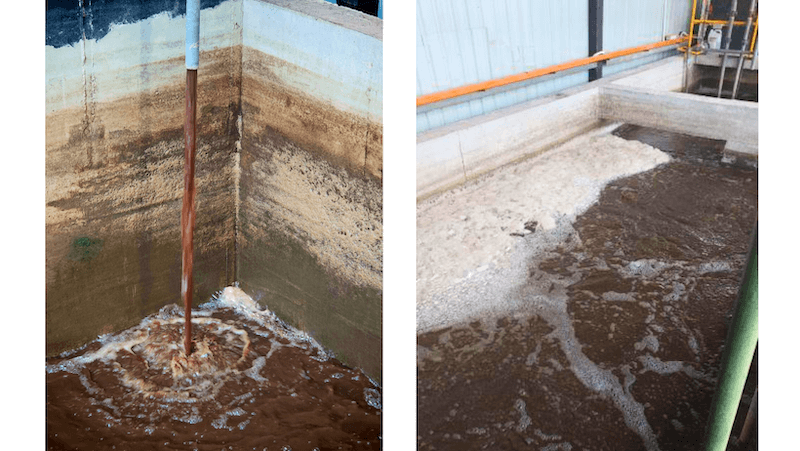
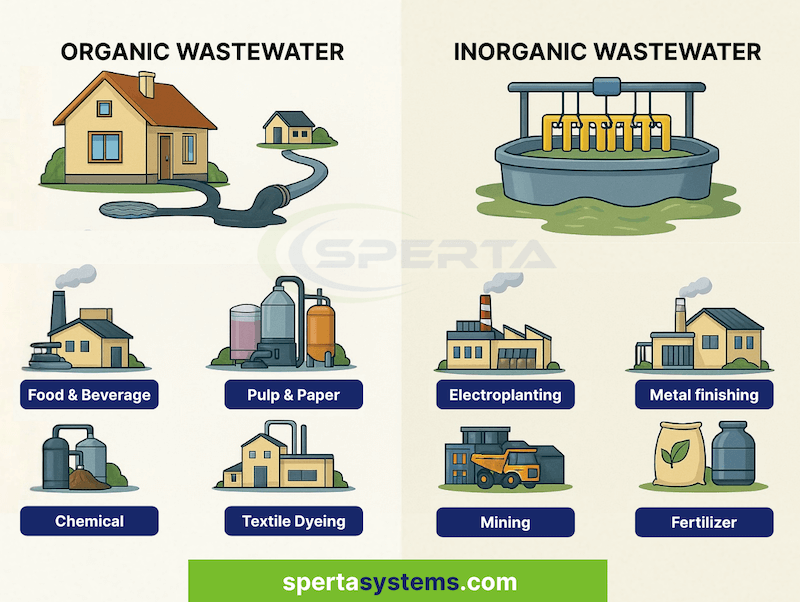
Organic wastewater contains biodegradable substances such as carbohydrates, proteins, fats, and surfactants.
It mainly comes from domestic sewage (municipal wastewater) and from industrial processes such as food and beverage, pulp and paper, textile dyeing, chemical, pharmaceutical manufacturing, etc…
Typical features include:
- High COD and BOD concentrations
- Dark color and strong odor
- Presence of suspended solids, oil, and grease
- High biodegradability, suitable for biological treatment
In summary, organic wastewater is characterized by high organic load and strong biodegradability, making biological processes such as MBR highly effective.
What is Inorganic Wastewater?
Inorganic wastewater mainly contains non-biodegradable compounds such as heavy metals, salts, acids, and alkalis. It is typically produced by electroplating, metal finishing, mining, semiconductor, fertilizer industries, etc…
Key characteristics:
- Low BOD/COD ratio (poor biodegradability)
- Contains heavy metals or dissolved ions
- Often exhibits high TDS or extreme pH levels
- Requires physicochemical treatment rather than biological processes
What are the Differences between Organic and Inorganic Wastewater?
| Category | Organic Wastewater | Inorganic Wastewater |
| Main Composition | Organic matter: proteins, fats, carbohydrates, oils | Inorganic compounds: metals, acids, alkalis, salts |
| Common Sources | Domestic sewage, food & beverage, paper, textile, chemical | Electroplating, mining, metal finishing, fertilizer, semiconductor |
| Biodegradability (BOD/COD) | High (>0.3) | Low (<0.1) |
| Typical Pollutants | COD, BOD, NH₃-N, SS, oil & grease | Cr, Cu, Ni, Zn, Cl⁻, SO₄²⁻, pH extremes |
| Treatment Objective | Reduce organic load, remove nitrogen and solids | Remove metals, neutralize pH, reduce TDS |
| Treatment Methods | Biological: MBR, A/O, A2/O, SBR | Physicochemical: precipitation, neutralization, ion exchange, RO |
| Representative Standards | COD < 50 mg/L, BOD < 10 mg/L, NH₃-N < 5 mg/L | Heavy metals < 0.5–2 mg/L, pH 6–9 |
| MBR Suitability | Excellent | Limited (needs pre-treatment) |
In short, organic wastewater requires biological treatment, while inorganic wastewater depends on chemical or physical processes.
How can MBR Technology Effectively Treat Organic Wastewater?
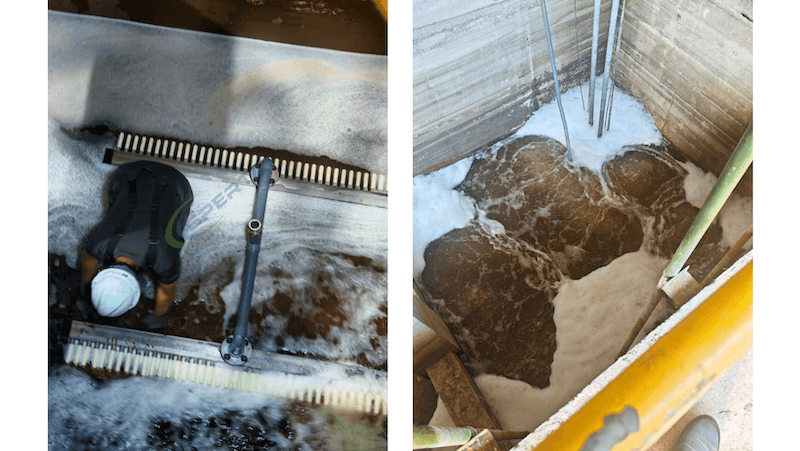
MBR (Membrane Bioreactor) combines biological degradation and membrane filtration in one compact system. It enables a long sludge retention time (SRT) and complete solid-liquid separation, producing clear, reusable water.
Advantages of MBR for organic wastewater:
- High MLSS → enhanced organic degradation
- Stable, high-quality effluent (COD < 50 mg/L, BOD < 10 mg/L)
- Compact footprint and low sludge production
- Ideal for fluctuating loads and limited space installations
MBR Applications: SPERTA in Organic Wastewater Treatment
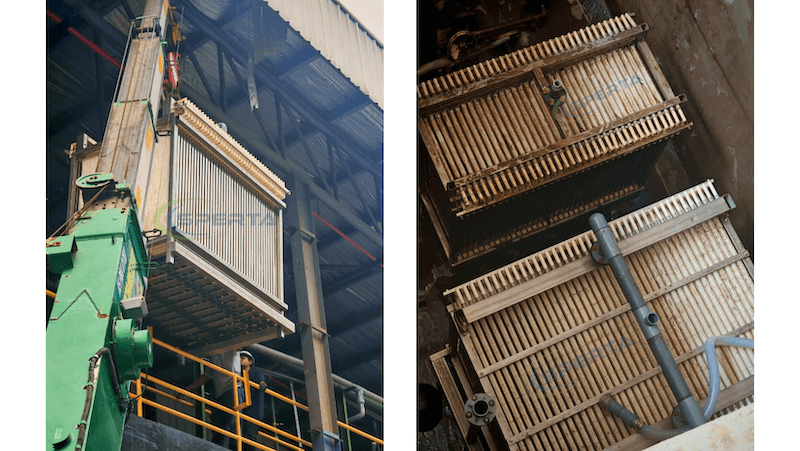
SPERTA’s MBR membrane modules have been successfully implemented in various industrial applications. Here is a food processing wastewater reuse project for reference.
The client, a leading food manufacturer, previously used a conventional physical–chemical process with DAF (Dissolved Air Flotation). As environmental regulations became stricter and the plant’s water reuse requirements increased, the existing treatment system could no longer meet the new discharge limits. To address these challenges, SPERTA designed and supplied an integrated MBBR + MBR system, providing an efficient biological upgrade that improved water quality and reduced operating costs.
Performance Results:
| Parameter | Unit | Before | After |
| COD | mg/L | 2,064 | 62.5 |
| BOD | mg/L | 1,083 | 9.95 |
| TSS | mg/L | 660 | 3 |
| Oil & Grease | mg/L | 51.5 | <0.5 |
| Ammonical Nitrogen | mg/L | 70.3 | 2.7 |
| Sulfide | mg/L | 3.84 | <0.0001 |
| Colour | ADMI | 617 | 10.3 |
Project Highlights:
- Excellent effluent quality meeting reuse standards
- Lower operation and maintenance costs
- Stable flux and long membrane service life
- Enhanced compliance and environmental reputation
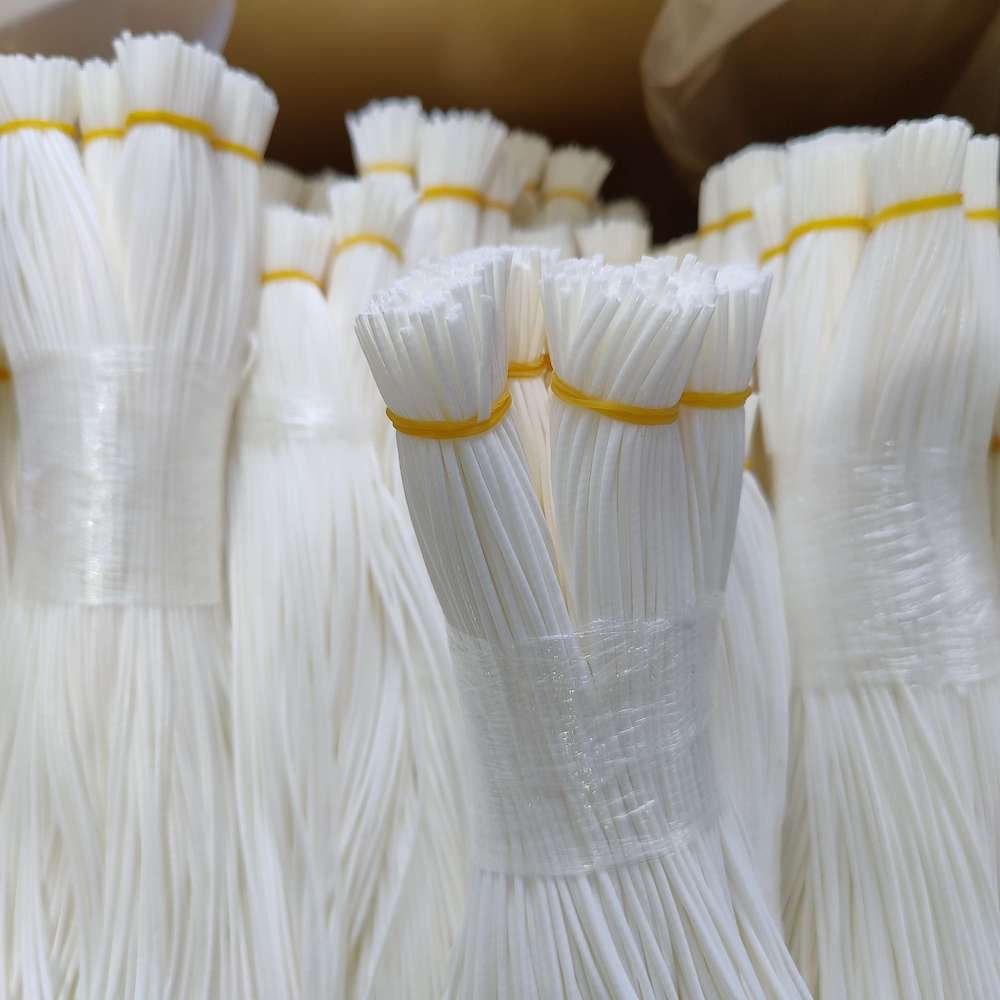
This case demonstrates how SPERTA’s reinforced PVDF hollow fiber MBR membranes ensure high filtration stability, chemical resistance, and long-term durability—making them ideal for high-strength organic wastewater treatment in food and beverage industries.

Conclusion
Organic wastewater, including both domestic sewage and industrial effluents with high organic loads, is best treated using biological processes such as MBR. In contrast, inorganic wastewater requires chemical or physical treatment due to its non-biodegradability.
With proven global references and advanced PVDF membrane technology, SPERTA MBR systems deliver reliable, sustainable solutions for organic wastewater treatment and water reuse worldwide. For more information or project consultation, please contact SPERTA.