Last Updated on January 4, 2026 by Kevin Chen
MBR systems are widely used in wastewater treatment due to their high effluent quality, small footprint, and flexibility for water reuse. However, efficient operation depends on precise control of OPEX. In this article, we take a closer look at the key operating cost drivers of MBR systems and discuss practical ways to manage and optimize OPEX in real projects.
What Are the Main Components of MBR Operating Costs?
1. MBR Membrane Costs
Procurement and Replacement: MBR Membrane lifespan affects replacement frequency and total system cost.
Membrane Type Selection: High-fouling-resistant membranes have higher upfront costs but extend lifespan and lower long-term expenses.
2. Aeration Energy – Air Blower
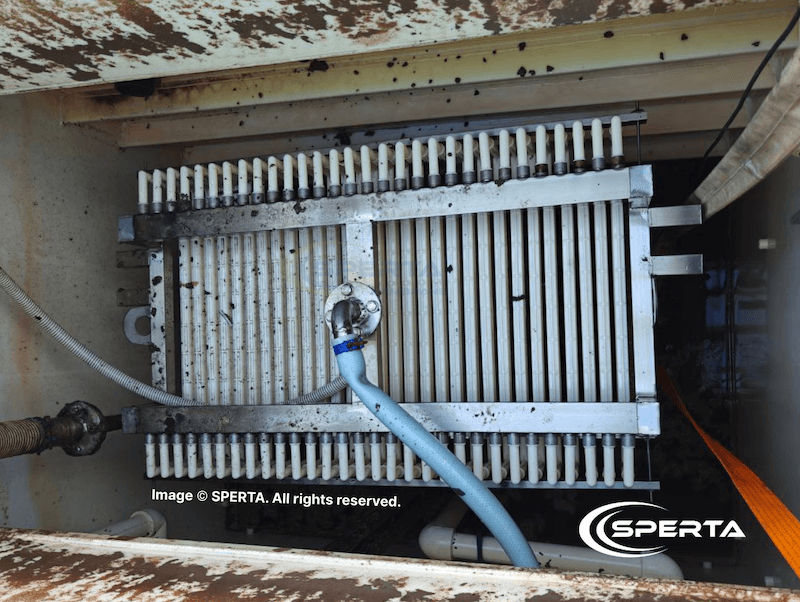
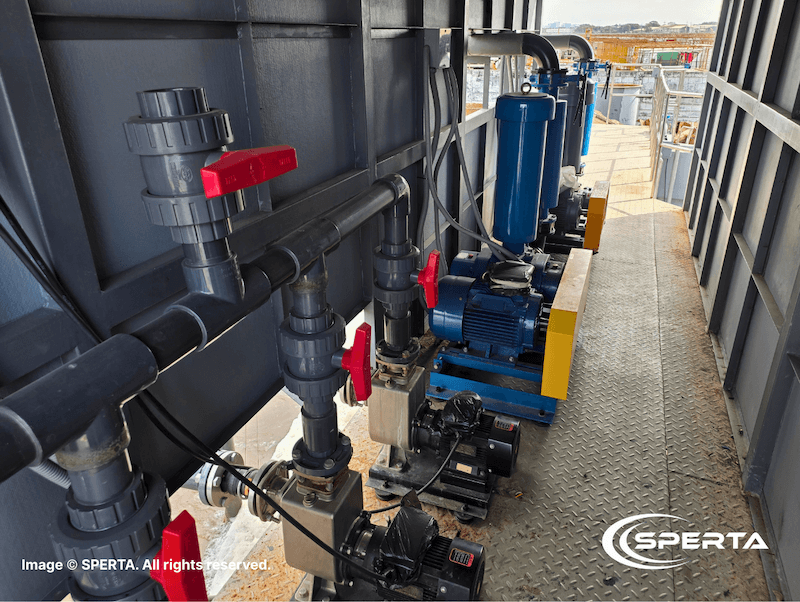
Membrane Tank Aeration: Scrubs the membrane surface and controls TMP rise.
Biological Aeration: Supplies oxygen for microbial activity.
Influencing Factors: Air-to-water ratio, aeration intensity, and operation strategies significantly affect energy consumption of the air blower.
3. Pump and Pipeline Energy
Includes lifting pump, RAS pump, suction pump, and cleaning pumps.
Optimizing flow rates and pipeline design can reduce energy use.

4. Chemicals and Cleaning Costs
Online Backwash Chemicals: Maintain membrane surface daily.
Periodic CIP: Remove accumulated fouling.
Influencing Factors: Water quality, sludge characteristics, and membrane fouling degree.
5. Maintenance and Labor
Membrane cleaning, equipment inspection, and system monitoring.
Personnel training and long-term operational management also add costs.
6. Additional Costs
Sludge disposal, downstream treatment maintenance, and extra energy from wastewater fluctuations.
What Key Factors Affect MBR Operating Costs?
Design Flux (LMH) and Membrane Area: Higher flux increases membrane fouling and cleaning demand.
MLSS and Sludge Characteristics: Higher concentrations increase oxygen demand and membrane scrubbing load.
Influent Quality and Pollutant Load: High COD or suspended solids increase chemical cleaning needs.
Automation and Control Strategies: Smart control reduces labor and energy use.
Operation Mode: Continuous aeration and pulse aeration affect energy consumption and membrane lifespan differently.
How Can We Optimize MBR Operating Costs?
1. Membrane Selection and Configuration
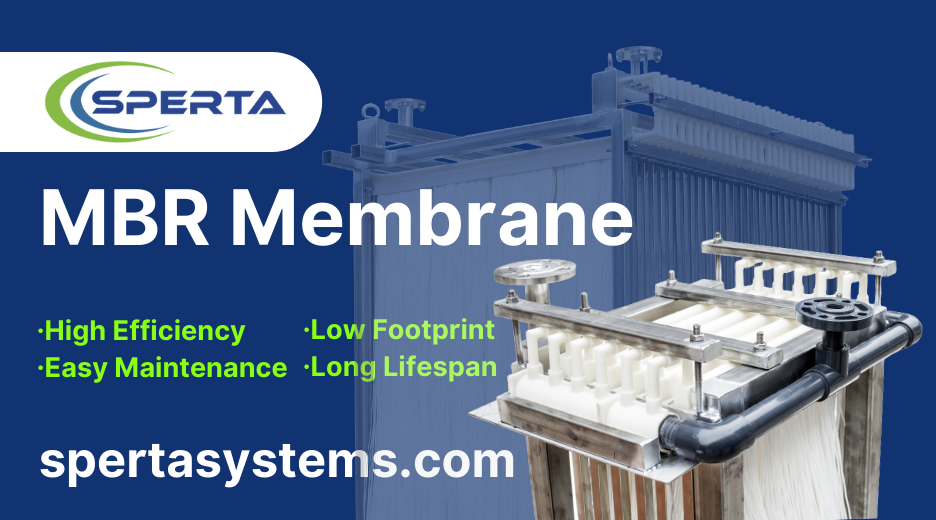
High-flux membranes suit large treatment volumes; fouling-resistant membranes extend lifespan.
Extend the mbr membrane life by controlling TMP and optimizing cleaning.
2. Aeration System Optimization
Adjust the air-to-water ratio to avoid excess energy use.
Use pulse aeration and zone control to increase oxygen efficiency and lower energy consumption.
3. Operational Parameter Optimization
Control MLSS, sludge age, and flux to reduce fouling and cleaning frequency.
Automate monitoring and online cleaning programs to improve stability.
4. Chemical Management
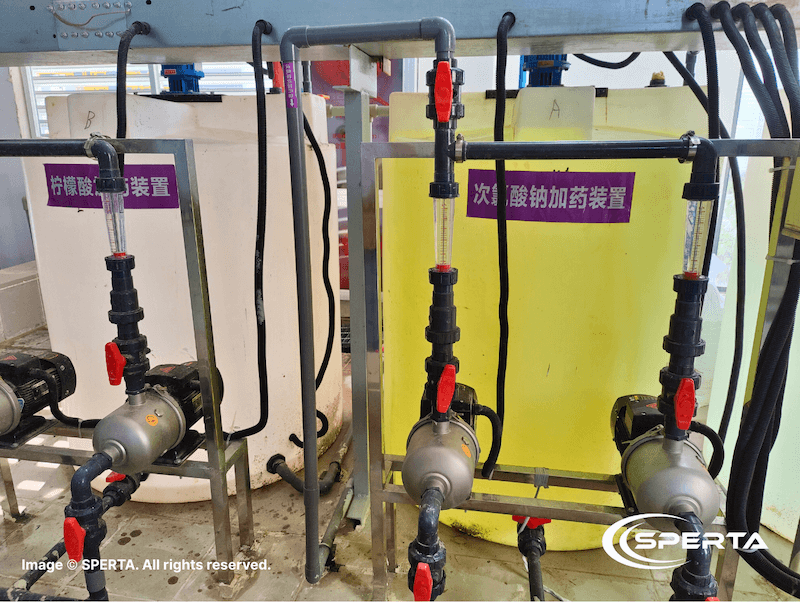
Optimize online chemical dosing to avoid overuse.
Adjust periodic CIP schedules based on membrane condition to balance cost and lifespan.
How Sperta Controls and Optimizes MBR OPEX?
SPERTA focuses on controlling MBR OPEX through system-level design rather than isolated cost reduction. By optimizing membrane flux selection, aeration intensity, and operating MLSS ranges, SPERTA balances treatment performance with energy efficiency. In addition, realistic membrane area sizing and conservative operating margins help reduce fouling rates and cleaning frequency over time. Combined with standardized operation guidelines and long-term membrane replacement planning, this approach allows SPERTA MBR systems to maintain stable performance while keeping operating costs predictable and manageable.
Conclusion
The main costs of an MBR system come from membranes, aeration, pumps, chemicals, and maintenance. Design optimization, operational control, and intelligent management can significantly reduce energy and maintenance costs. Working with a professional team, like Sperta, ensures long-term, stable, efficient, and cost-effective operation.