Why MBR Membrane is the Future of Wastewater Treatment
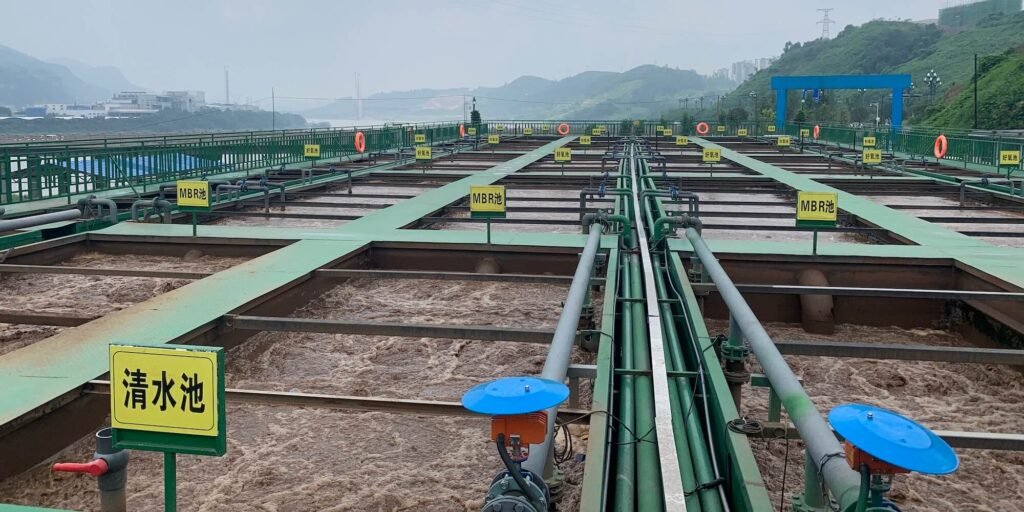
There are many different wastewater treatment systems available on the market today. Membrane bioreactor (MBR) is one type of system that is becoming increasingly popular due to its many benefits.
How To Clean The MBR Membrane: A Step-By-Step Guide.

There are three primary ways to clean the MBR membranes: backwash cleaning, chemical cleaning, and offline cleaning.
What is the MBR Membrane, and How does it Work?
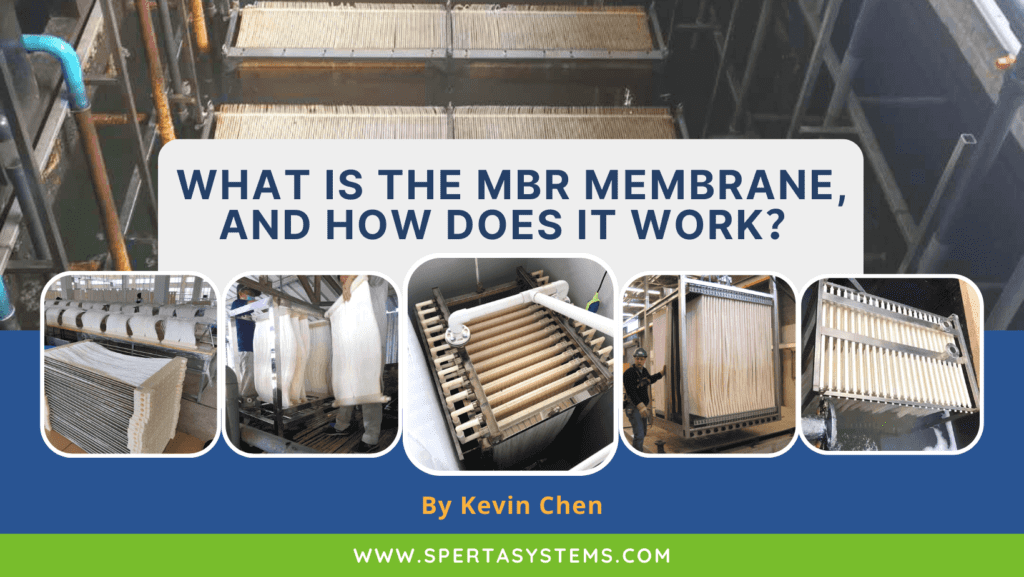
The MBR membrane bioreactor is a new type of wastewater treatment equipment that uses MBR membrane for sewage treatment.
The Comparison of Flat Sheet & Hollow Fiber MBR Membrane

Membrane Bioreactors (MBRs) have emerged as a powerful tool for wastewater treatment due to their ability to efficiently convert organic matter into biogas and hydrate sludge for easy disposal. Membrane bioreactors are also known for their low maintenance requirements and ability to operate in a closed-loop system, which makes them an ideal option for land-based […]
What are the Materials of MBR Membrane?
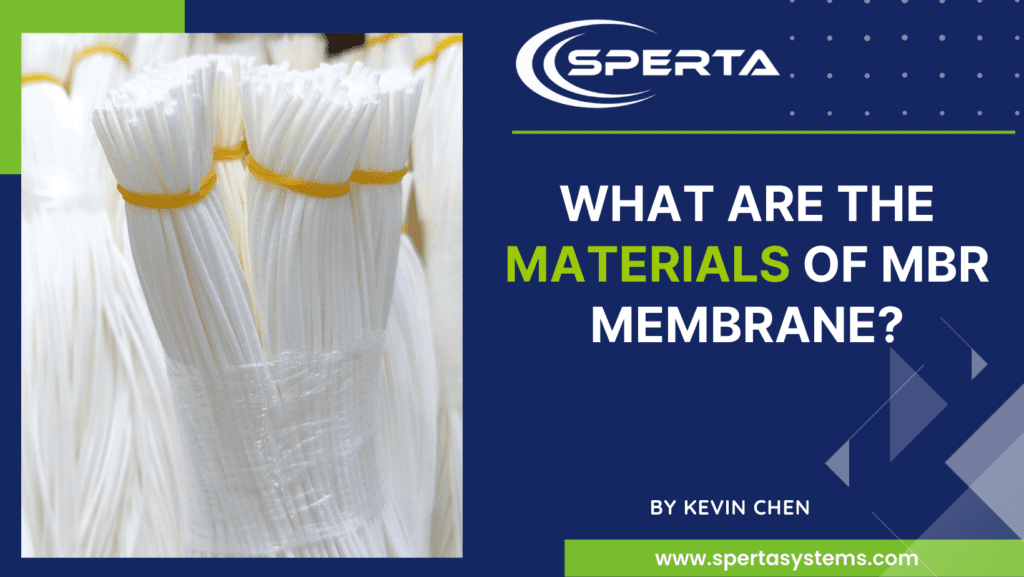
MBR membrane is also known as membrane bioreactor. It combines membrane separation and biological treatment technology and is often used in sewage and industrial wastewater treatment.
How to Do Offline Chemical Cleaning For MBR Membranes

Step 1: Remove the suction tube and the aeration tube from the MBR module. Then take the MBR module out of the tank.
Step 2: Use a nozzle to clean and remove the activated sludge attached to the surface of the fibers.
Step 3: Take the MBR elements out of the module and immerse the elements in a prescribed chemical solution tank. Stay for 6-12 hours.
Step 4: Take out the MBR element from the immersion cleaning tank and wash it thoroughly with water to remove the chemical solution.
Step 5: Install the MBR on the MBR module after cleaning.
Step 6: Connect the aeration pipe and put the module in the tank. Stop the filtration, just let the aeration run for more than 30 minutes, and then start the filtration.
Step 7: Before discharging the chemical solution, reduce the sodium hypochlorite with sodium thiosulfate (Na2S2O3 NH2O), and then discharge.
Step 8: If there is a large amount of inorganic scale on the surface of the MBR after sodium hypochlorite washing, acid washing is also needed.