MBR Membrane Fouling: An In-depth Analysis of Causes, Impacts, and Solutions

Understanding membrane fouling, its causes, impacts, and how to mitigate it is crucial for the optimal operation of MBR systems. This blog post delves into the intricacies of MBR membrane fouling, providing a comprehensive guide to this critical aspect of wastewater treatment.
Why Choose MBR Membranes for Wastewater Treatment?
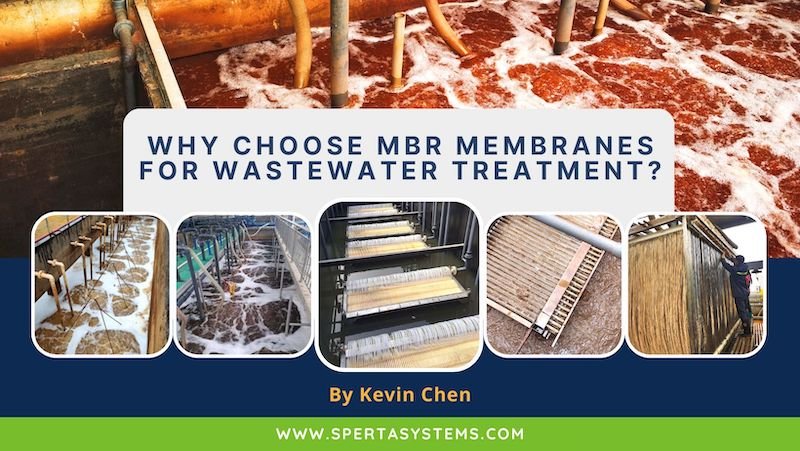
Why Choose MBR Membranes for Wastewater Treatment?
Superior Effluent Quality
Compact Design
Energy Efficiency
Flexibility and Scalability
Environmental Sustainability
What are the Types of MBR Membrane Fouling?

The main culprits of membrane fouling are organic, inorganic, and colloidal. Biofouling, particulate, and chemical fouling will also have a certain impact on the membrane. Each type has its causes and effects. We should develop specific prevention and control strategies where necessary.
KEN Engineering & SPERTA: MBR Collaboration in Focus

SPERTA had the pleasure of welcoming representatives from Ken Engineering Services Company, a renowned consulting company in the wastewater treatment sector from the Philippines.
What are the Factors Affecting Membrane Fouling in MBR?
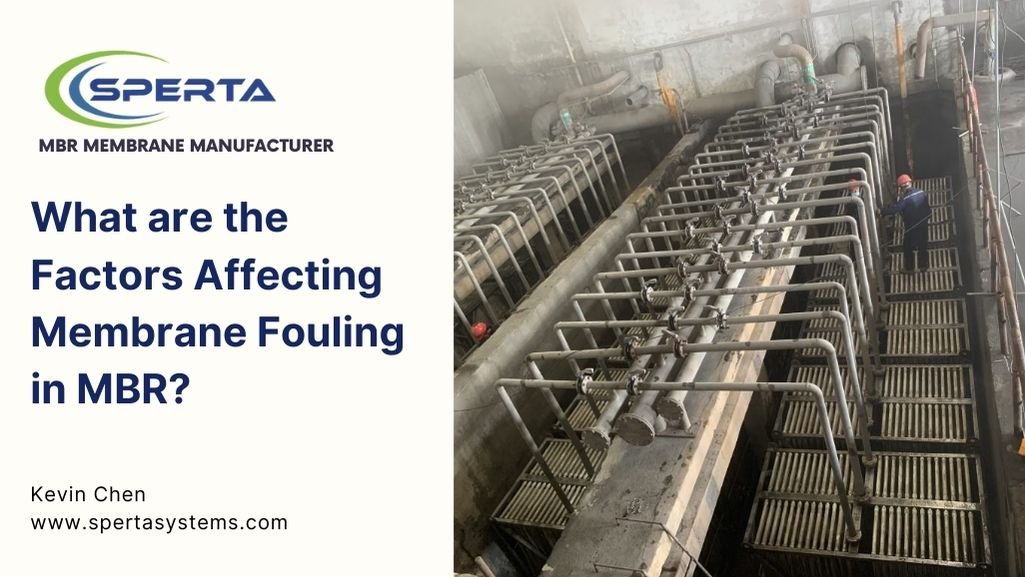
There are all kinds of factors that can affect fouling in the MBR membrane. The most important factor is water quality. The second is membrane characteristics. Of course, operating conditions, biological activity, chemical action, and physical forces are also important. Each plays a significant role in the fouling process. And we need to consider carefully for optimal system performance.
What Causes A High Negative Pressure In the MBR Membrane?
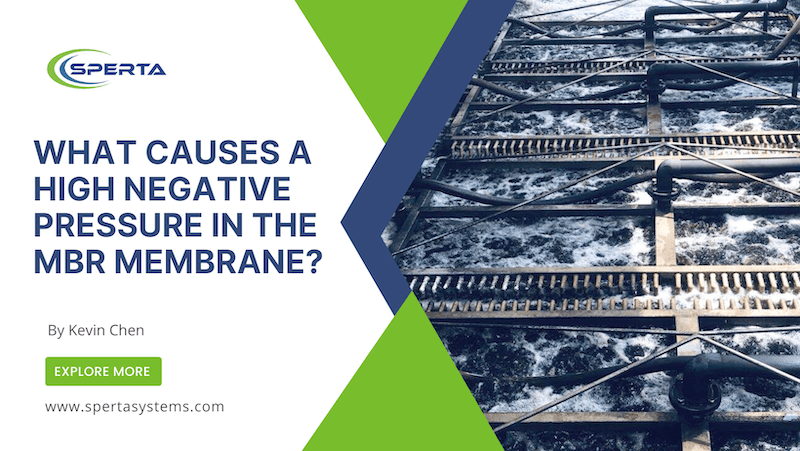
MBR (Membrane Bioreactor) is a widely used technology for wastewater treatment that combines biological processes and membrane filtration. However, one of the challenges of MBR operation is the development of negative pressure (or vacuum) in the membrane module, which can affect the system’s performance. What Causes A High Negative Pressure In the MBR Membrane? How […]