SPERTA Participates in Aquatech China 2025
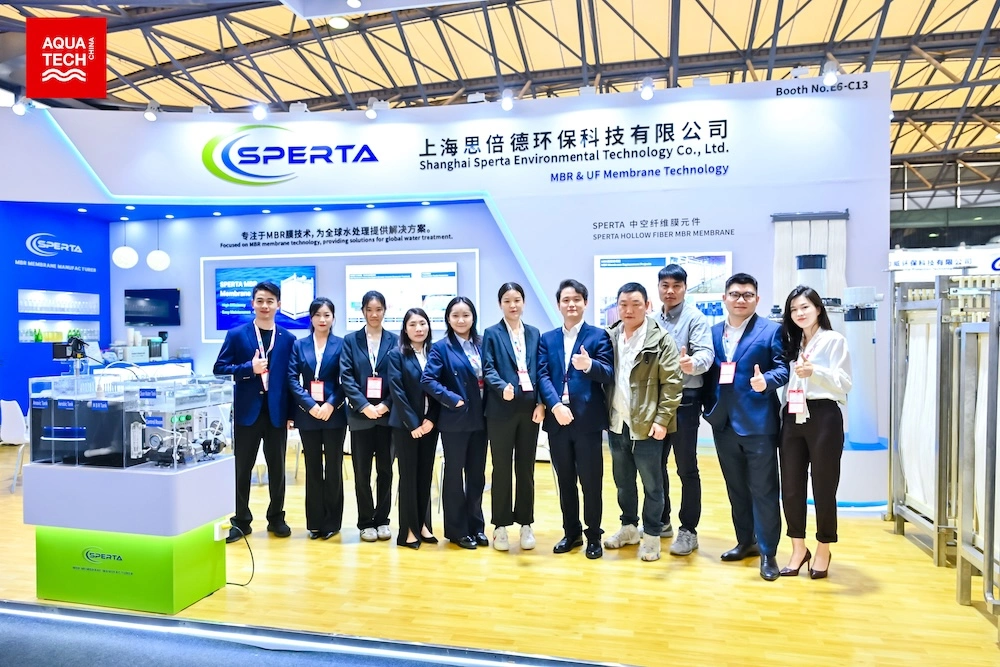
Aquatech China 2025 was held from November 3–5 at the Shanghai New International Expo Centre. As a leading water technology trade show, it covers drinking water, industrial water, wastewater, and sludge treatment, smart water solutions, and water resource management. Under the theme “Focusing on the Water Industry, Covering the Full Spectrum,”Aquatech served as a key […]
What is the Difference between Organic and Inorganic Wastewater?
In wastewater treatment, it’s important to understand the difference between organic and inorganic wastewater. They differ greatly in composition, biodegradability, and treatment approach. Among various technologies, MBR (Membrane Bioreactor) systems—especially those using SPERTA membranes — perform exceptionally well in treating organic wastewater, providing efficient organics removal and clear, stable effluent. What is Organic Wastewater? Organic […]
MBR Membrane O-rings: Types, Materials, and Selection Guide
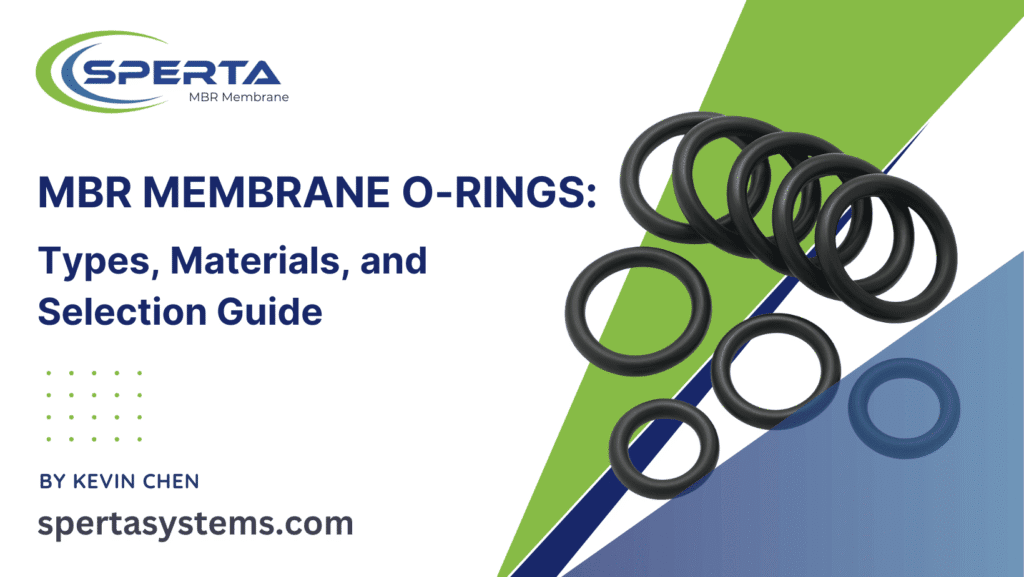
In the MBR (Membrane Bioreactor) module, the O-ring may seem like a small accessory, but it plays a very important role in maintaining long-term system stability. Different O-ring materials may perform differently in temperature resistance, chemical stability, and aging resistance. Choosing the right O-ring not only prevents leakage but also extends the membrane module’s lifespan […]
Sperta and Deka at ECWATECH 2025 in Moscow
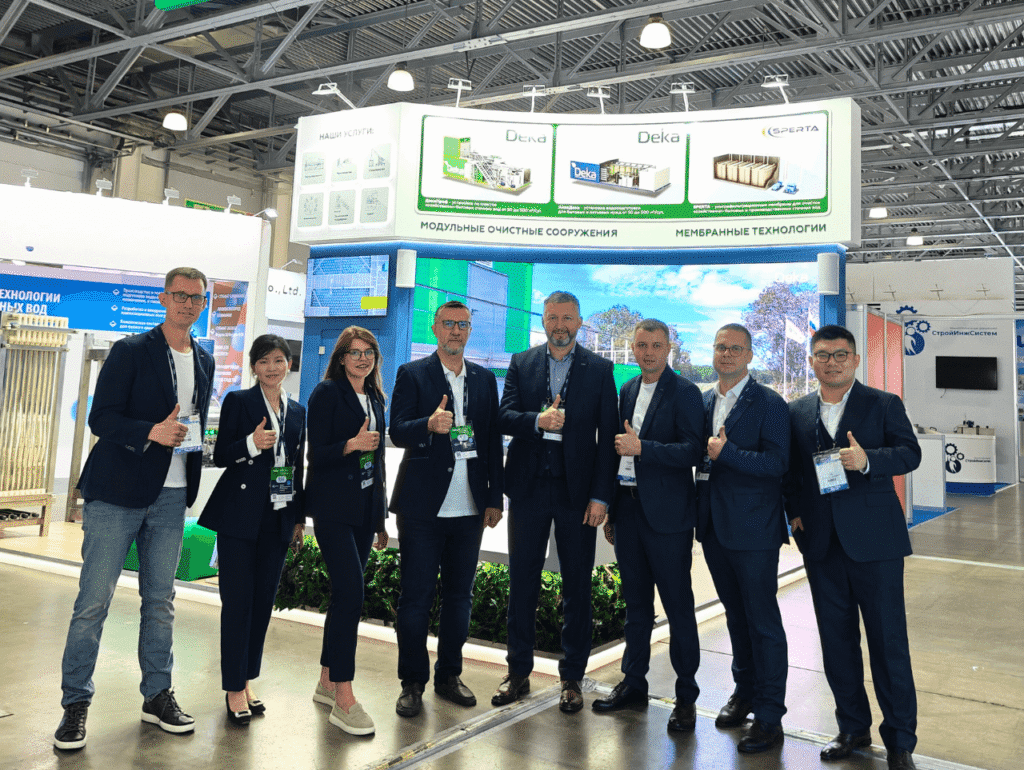
Moscow, September 11, 2025 — Shanghai Sperta Environmental Technology Co., Ltd. successfully concluded its participation at EcwaTech 2025 (ЭкваТэк), Russia’s leading water and wastewater exhibition, held from September 9 to 11 at Crocus Expo in Moscow and this year marked Sperta’s 3rd appearance at ECWATECH, once again joining forces with our long-term partner Deka, one […]
Sperta Leads Wastewater Solutions at Indo Water Expo 2025
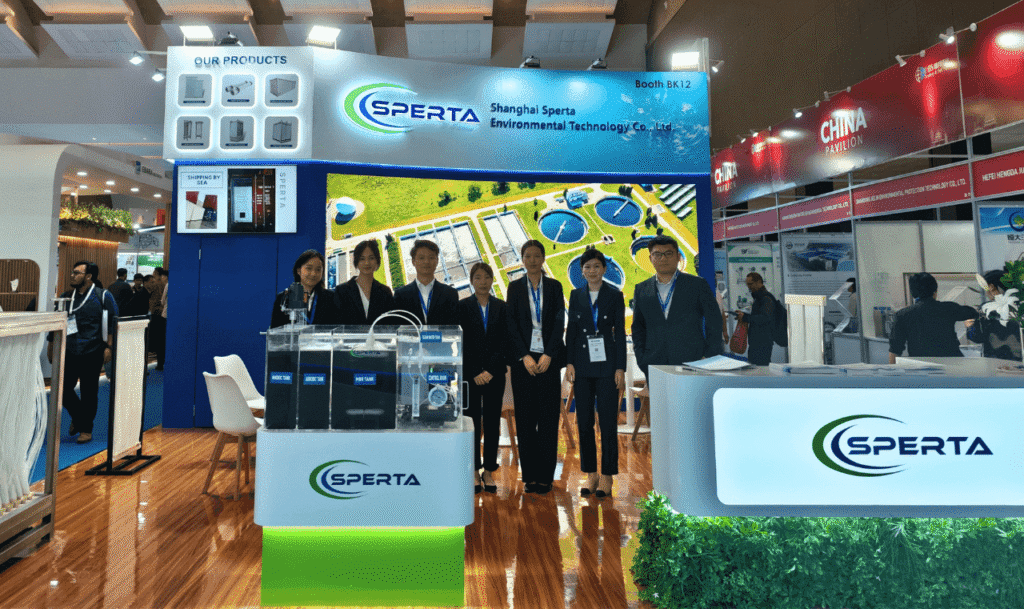
Jakarta, August 15, 2025 — Shanghai Sperta Environmental Technology Co., Ltd. has successfully concluded its participation in the Indo Water Expo & Forum 2025, held from August 13 to 15 at the Jakarta Convention Center. As one of Southeast Asia’s most prominent water and wastewater industry events, the exhibition attracted thousands of professionals from across […]
MBR Solutions for Food Industry Wastewater Treatment
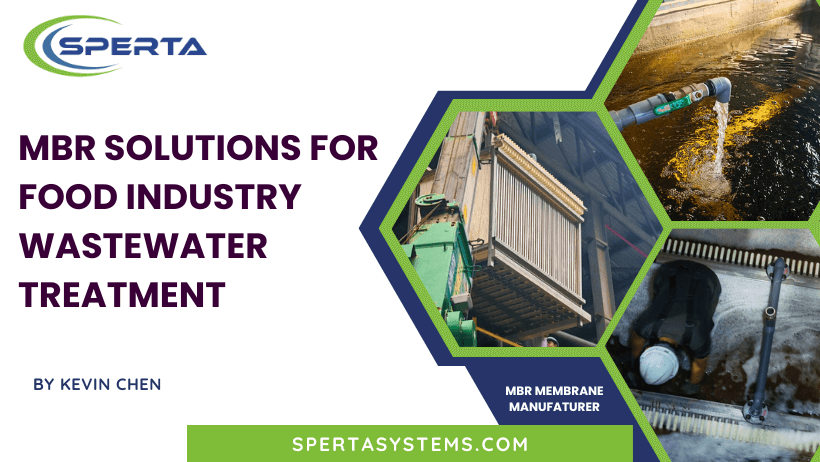
Introduction Food processing creates large amounts of wastewater with high levels of pollutants. As regulations become stricter and water reuse becomes more important, food factories need better ways to treat their wastewater. MBR (Membrane Bioreactor) technology combines biological treatment and membrane filtration, offering an efficient solution to help food plants meet modern water quality standards. […]