What are the Advantages of MBR?
The MBR system offers a range of advantages, from producing high-quality treated water to being space-efficient, making it a top choice for modern wastewater treatment.
What is the MBR Process in STP?

The MBR (Membrane Bioreactor) process is a modern method used in STPs. It combines biological breakdown with membrane filtration to treat sewage efficiently and produce high-quality effluent.
Sounds intriguing? Let’s delve deeper and understand the workings of the MBR process within STPs.
How Does MBR Membrane Work?

The MBR membrane, or Membrane Bioreactor, is a cutting-edge technology that combines the power of biological processes with advanced membrane filtration. This dynamic duo ensures that wastewater is treated to the highest standards, producing a cleaner and more sustainable effluent.
What is the HS Code of MBR Membrane?

If you’re involved in international trade and deal with MBR (Membrane BioReactor) membranes, you might have wondered about their HS code. The HS code, or Harmonized System code, is a critical classification system used globally to identify and categorize products for import and export. So, what HS code applies to MBR membranes?
Here are 2 types of MBR membrane and their corresponding HS codes:
MBR Membrane Element (HS code: 842199)
MBR Membrane Module (HS code: 842121)
Causes & Effects of High Temperatures on Plastic Materials in WWTPs?

In a wastewater treatment plant (WWTP), high temperatures can arise in certain processes or conditions, which could pose a risk to non-metal materials like UPVC (Unplasticized Polyvinyl Chloride) or other polymer/plastic materials. It’s important to understand the scenarios where high temperatures might occur and their potential impact on non-metal components:
Comparing Corrosion Resistance: Chemicals Harmful to Non-Metal Materials vs. Carbon Steel Materials
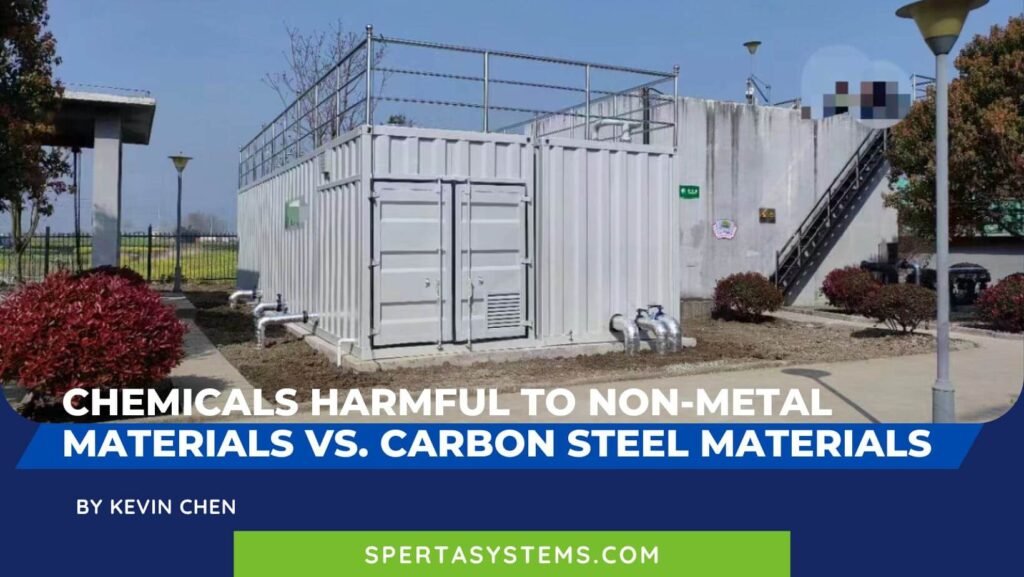
Corrosion is a complex phenomenon influenced by multiple factors, including the specific chemical environment, temperature, concentration, presence of impurities, and the material’s composition. While carbon steel is generally susceptible to corrosion in many aggressive chemical environments, it’s important to note that there are scenarios where it may offer better resistance than certain non-metal materials.